I design AI products and enterprise systems for the moments when people can't afford to think twice. The kind of work where clarity isn't a nice-to-have — it's the whole point.
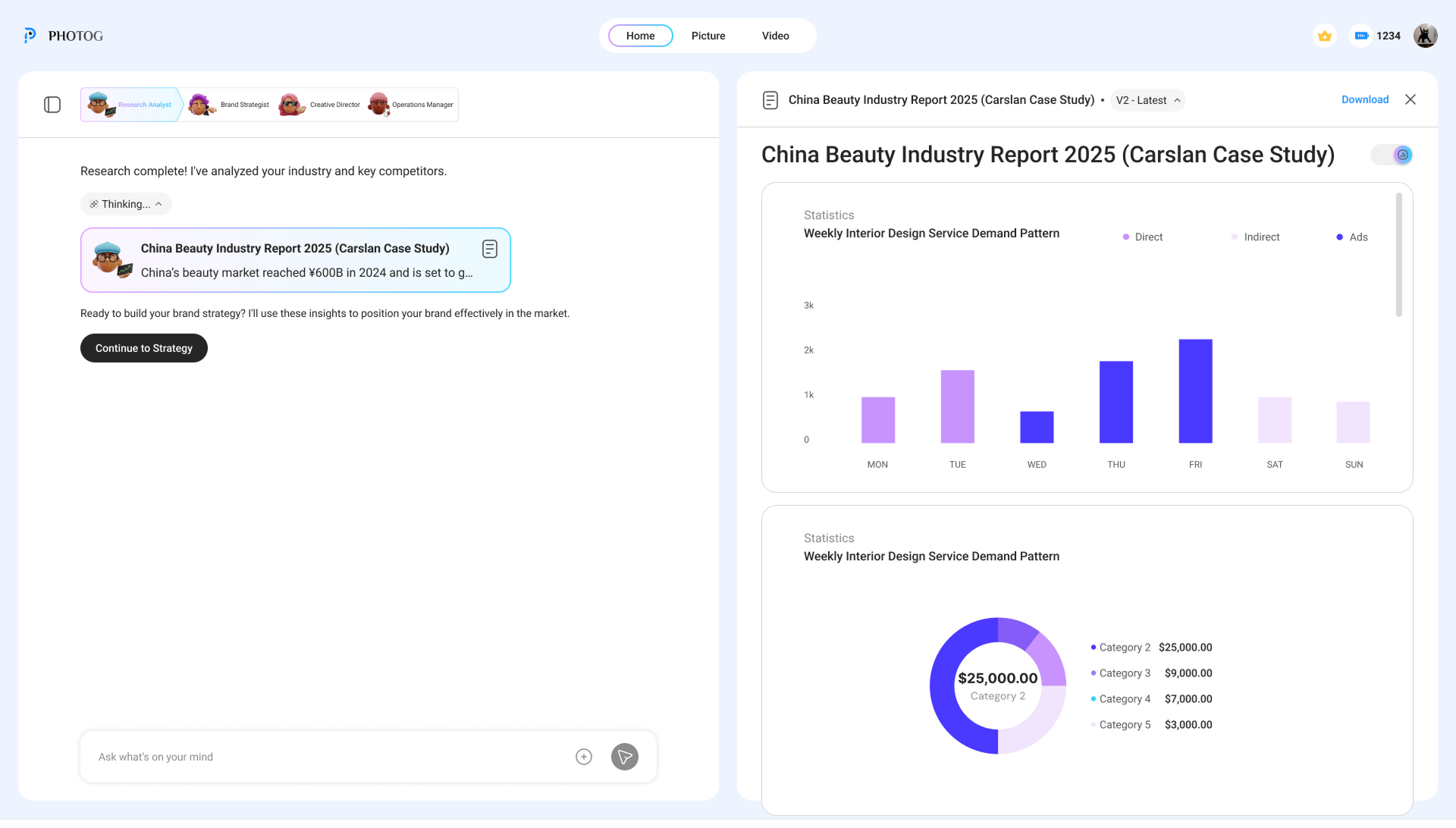
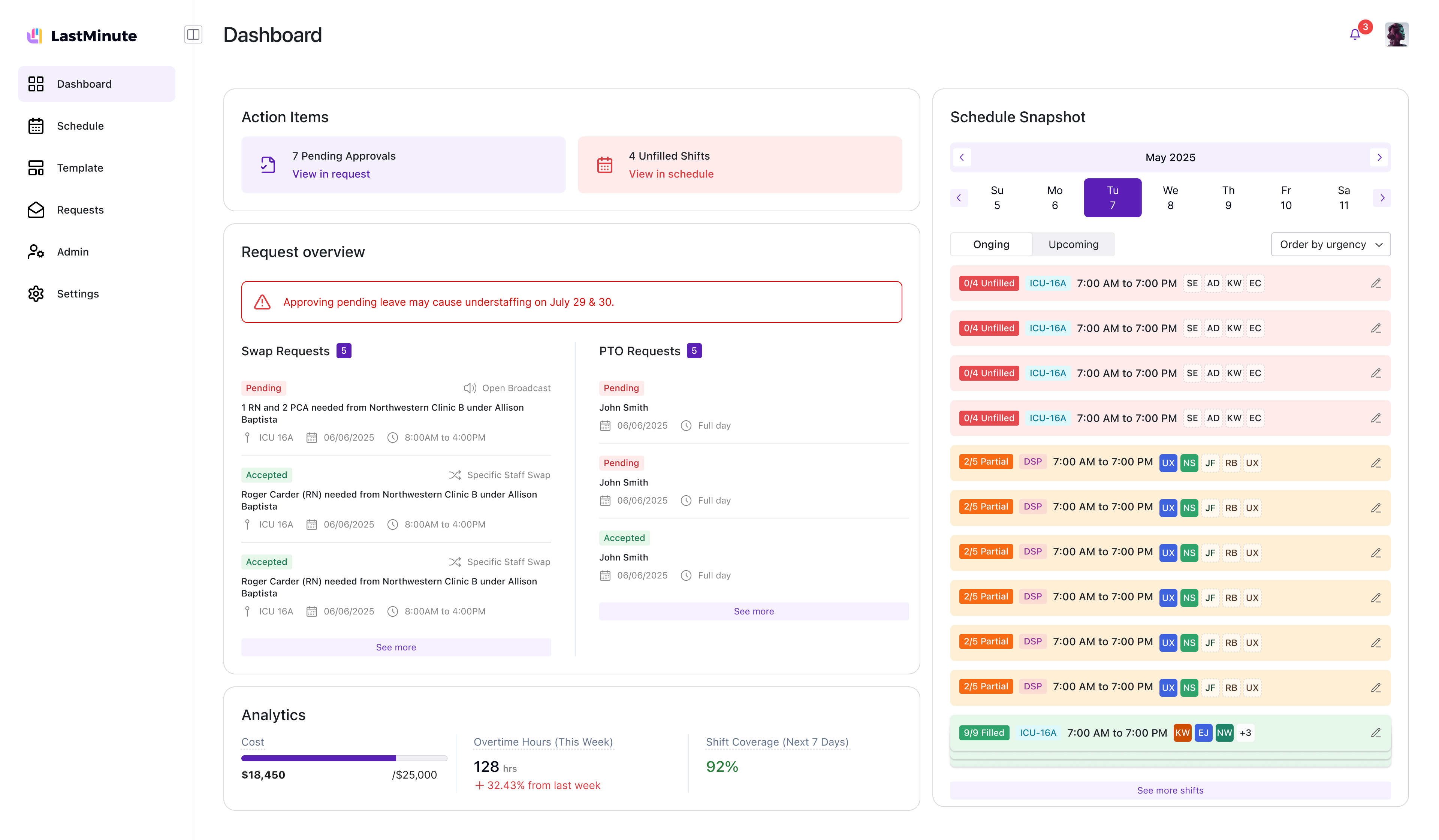
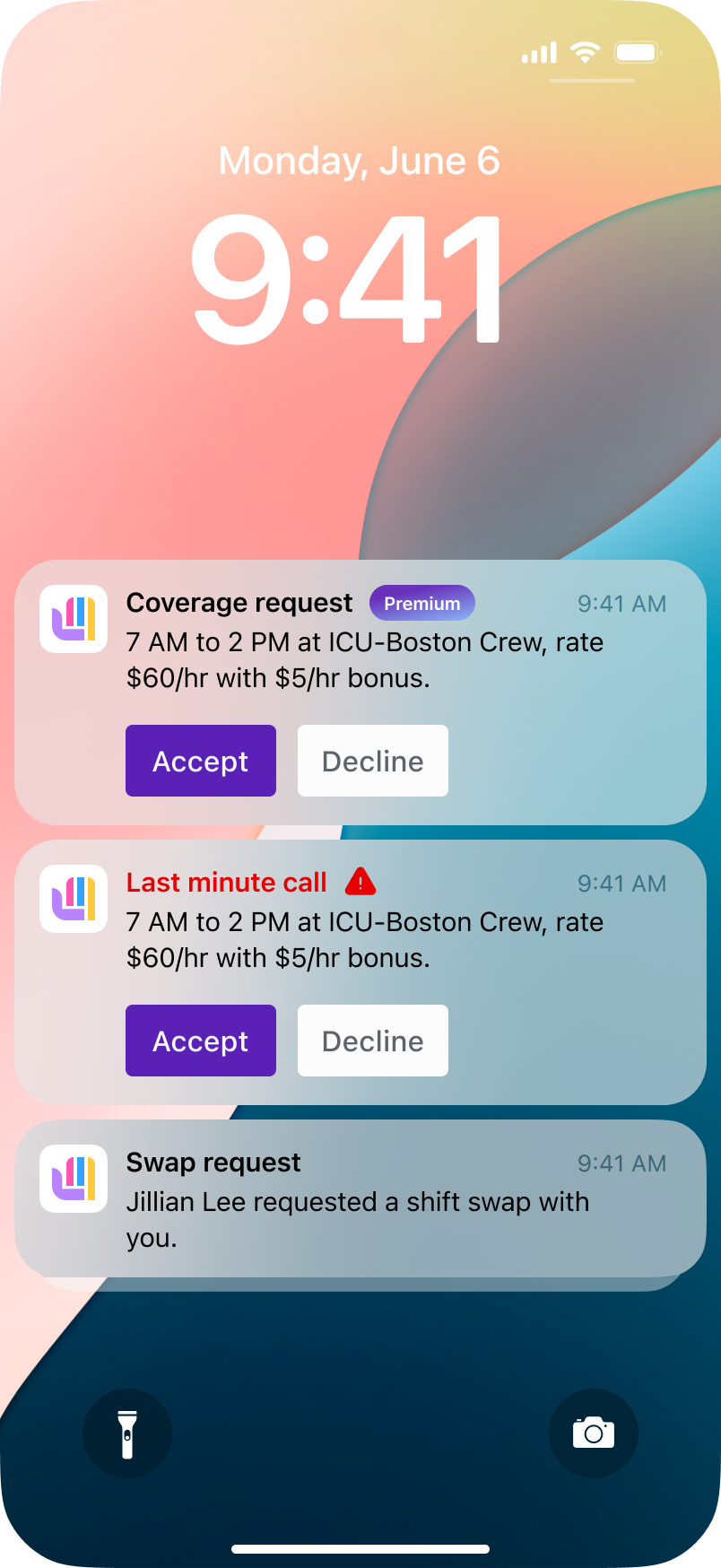
Three projects, three different kinds of pressure. A nurse mid-shift. A marketer trusting four AI agents. A surgeon learning in virtual space. Each one asked the same question: can the interface disappear?
When a nurse calls out at 2 AM, someone has to fill that shift before the floor falls apart. I replaced the 45-minute phone tree with a 30-second automated fill — and designed a system so clear that three hospitals adopted it without a single training session.
Most users never made it past their first post — 62% dropped off. The AI was doing too much, too fast, with no explanation. I slowed things down on purpose, adding moments where users could see the thinking. Trust went from zero to 87%.
Nine years of shipping products that people depend on. Not portfolio exercises — real systems, real consequences, real users who never asked for a redesign.
The systems I work on don't get second chances. A wrong screen in an operating room, a confusing step in an AI workflow — these aren't minor annoyances. They're the moments design exists to prevent.
HIPAA, FDA, WCAG — I treat compliance as a design material, not a checklist someone hands you at the end.
Real systems run on old hardware and browsers nobody chose. I design for what's actually there, not what I wish was.
If someone needs a tutorial to use it, the design failed. I build interfaces that teach you as you go — quietly, without getting in the way.
When four AI agents make a decision together, someone should be able to understand why. I design the window into the machine, not just the output.